
GDPR Compliance for Meta Audience Data
GDPR compliance is essential for Meta advertising—audit data sources, enforce explicit consent, minimize data, and automate tracking with CMPs.
When targeting audiences in the EU or UK with Meta ads, GDPR compliance is non-negotiable. GDPR governs how personal data - like email addresses or IPs - is collected, processed, and transferred. Non-compliance can lead to hefty fines and damage trust with users.
Key takeaways:
Consent is mandatory: Explicit opt-in consent is required for data collection and tracking.
Meta updates in 2026: New rules include stricter consent declarations, data retention limits (180 days), and mandatory AI-generated ad disclosures.
Compliance risks: Invalid consent, mishandling sensitive data, and outdated records are common pitfalls.
Follow a GDPR compliance checklist: Review data sources, ensure proper consent, map data flows, and update privacy policies.
Use tools: Consent Management Platforms (CMPs) and automation tools like AdAmigo.ai can simplify compliance and minimize errors.
Fines for violations are steep - Uber was fined €290M in 2024 - so staying proactive with audits, consent mechanisms, and secure data handling is critical.
Meta Conversion API & GDPR Consent Setup
Pre-Implementation Compliance Audit

GDPR Compliance Checklist for Meta Advertising: 4-Step Audit Process
To address GDPR risks effectively, start with a thorough compliance audit to ensure your data handling aligns with regulations. Begin by examining your Meta ad setup for any GDPR compliance gaps. Since GDPR enforcement began, European data protection authorities have imposed over €2.8 billion in fines, largely tied to marketing and data processing violations.
Audit Your Data Touchpoints
Document every technical interaction feeding data into Meta's advertising system. Key areas to review include:
Conversions API (CAPI) signals
Lead Ads forms
Manual Custom Audience uploads from CRM systems or spreadsheets
Pay close attention to undocumented data flows, such as sales teams syncing CRM leads to shared Google Sheets that are later uploaded to Meta without proper oversight. Regular staff training is essential to minimize unauthorized data sharing and maintain compliance.
Map All Audience Data Sources
Create a Record of Processing Activities (RoPA) as required under GDPR. This document should include details like:
Data sources
Purpose of data processing
Categories of individuals whose data is being used
Retention periods
Security measures (e.g., encryption)
A compliance tracking spreadsheet can help organize details such as Ad ID, campaign name, data source, and consent timestamps. For each data source, specify the legal basis for processing, whether it's explicit consent or legitimate interest, following conversion data compliance best practices. Ensure that all customer contact data uploads are backed by explicit opt-in consent.
Additionally, map your data flows to third-party processors and verify that Data Processing Agreements (DPAs) are in place with each vendor. For users in California or other regions with specific privacy laws, enable Meta's Limited Data Use (LDU) feature to limit how their data is processed.
Update Your Privacy Policy
Revise your privacy policy to include essential details, such as:
Joint controller arrangements
Tools used (e.g., Meta Pixel, CAPI, Lead Ads)
International data transfers
Clearly state that personal data is used for targeted advertising on Facebook and Instagram, avoiding vague terms like "marketing purposes." If data is transferred internationally (e.g., to the United States), explain the safeguards in place, such as Standard Contractual Clauses (SCCs) or the EU-U.S. Data Privacy Framework.
Make sure your policy includes instructions for users to access, correct, or delete their data, as well as how to withdraw consent or opt out of targeted advertising. If applicable, provide the contact details of your Data Protection Officer (DPO).
Apply the "reasonable person test" to your policy: would an average user find your data practices fair and transparent based on their relationship with your brand? This approach ensures your disclosures are not just legally compliant but also user-friendly.
Identify Sensitive Data in Audiences
GDPR places strict requirements on processing Special Category Data, such as racial or ethnic origin, political opinions, religious beliefs, health information, trade union membership, and genetic or biometric data. Meta's 2026 policy updates make this even more critical, as the platform now uses multimodal detection (AI scanning of images, videos, and audio) to flag ads in Special Ad Categories like Housing, Employment, and Credit (HEC), even if you haven't tagged them as such.
To avoid issues:
Screen visuals for elements that might trigger automatic reclassification.
Verify that custom audiences do not include data older than 180 days.
Document the collection method and consent basis for each audience.
Conduct a data mapping exercise to uncover undocumented flows, such as CRM leads stored in shared sheets or data enriched through third-party services . With Meta's transition from Lookalike Audiences to "Advantage+ predictive audiences" in February 2026, ensure the original source lists don't include sensitive attributes without explicit consent .
"Meta's 2026 privacy overhaul is a paradox: the platform is collecting more AI-generated user data than ever while simultaneously restricting how advertisers can use their own data." - AuditSocials Compliance Report
Consent Management for GDPR Compliance
Once your compliance audit is complete, the next step is creating strong consent mechanisms that ensure data tracking only begins after users explicitly agree.
Under GDPR, you must obtain clear, affirmative consent before activating any tracking tools on your website. This means no pre-ticked checkboxes, implied consent, or "Accept All" banners that hide or downplay the "Deny" option. Failing to meet these standards can result in hefty penalties and legal risks. These rules lay the groundwork for setting up your consent management platforms.
Set Up Consent Management Platforms (CMPs)
A Consent Management Platform (CMP) plays a key role by blocking tracking scripts until users give their permission. A good CMP allows users to make specific choices, such as approving analytics, personalized ads, or sharing data with third parties like Meta. Offering only an "Accept All" button without an equally visible "Deny" option does not align with GDPR's requirement for voluntary consent.
When setting up your CMP, make sure opt-in checkboxes are unchecked by default. Design your consent banner so that both "Accept" and "Deny" buttons are equally noticeable - avoid using design tactics that nudge users toward acceptance. Additionally, your CMP should clearly inform users if their data, such as browsing behavior, IP addresses, or device details, will be shared with Meta Platforms, Inc. for targeted advertising and potentially transferred to the United States.
For better control, use Meta Consent Mode to adjust data collection based on user permissions. This tool ensures that Meta processes data only according to the specific consent levels provided. You can also use geotargeting to apply stricter GDPR settings for users in the EU while offering different consent options for visitors from other regions.
Ensure Consent Meets GDPR Requirements
Once your CMP is in place, verify that your consent practices align with GDPR's strict standards.
Consent under GDPR must be informed, specific, freely given, and easy to withdraw. Use straightforward language to explain how data will be used, and explicitly name Meta as a joint controller if you're using tools like Meta Pixel or Custom Audiences and Lookalike Audiences. Be transparent about how user data will support ad targeting efforts.
Keep detailed, time-stamped records of every instance of user consent, including the terms agreed upon. Meta’s 2026 policy now requires advertisers to declare the data source and consent basis (whether opt-in or legitimate interest) for all remarketing and custom audience campaigns in Events Manager. Users must also have access to a visible "Manage Preferences" or "Withdraw Consent" option that’s just as simple to use as the opt-in process. As Secure Privacy emphasizes:
"The consent must be as easy to withdraw as it was to give"
For long-term subscribers, conduct regular consent refresh campaigns, especially if your data usage changes - for instance, shifting from basic analytics to retargeting. Since Meta now rejects custom audiences built from data older than 180 days, it’s crucial to maintain up-to-date consent records and refresh your audience lists regularly to stay compliant.
Data Minimization and Secure Processing
Once you’ve established consent mechanisms, the next step is to focus on two critical areas: collecting only what’s necessary and ensuring that all data is handled securely. Under GDPR, this boils down to two core practices: data minimization and robust security measures.
The idea behind data minimization is simple: gather only the data you absolutely need to meet your campaign objectives. For instance, if you’re running a full-funnel retargeting campaign, you might only require hashed email addresses instead of full names, physical addresses, or purchase histories. By configuring Meta's Conversions API to track only essential conversion events, you avoid collecting unnecessary demographic or behavioral data. Always document the scope of your data collection to stay compliant.
Limit Personal Data in Audience Uploads
When creating Custom Audiences, it’s crucial to hash personal identifiers before uploading them to Meta. Using SHA-256 hashing ensures that email addresses and phone numbers are converted into pseudonymized strings. This way, Meta can match the data without exposing raw personal information, significantly reducing your risk in the event of a data breach or unauthorized access.
To maintain compliance, regularly update your audience lists. Set reminders to refresh these lists every five to six months and use hash-exclusion methods to remove identifiers tied to users who’ve withdrawn consent or requested their data be deleted.
Once you’ve minimized the data you’re handling, the next priority is protecting what remains.
Encrypt Data and Secure Transfers
For stored and transferred data, use AES-256 encryption to ensure strong protection. Combine this with end-to-end encryption, firewalls, and strict access controls to limit who can access sensitive information.
If you’re transferring personal data from the EU or EEA to Meta’s servers in the U.S., you must use a legally compliant safeguard. The most commonly used mechanism is Standard Contractual Clauses (SCCs) - pre-approved agreements that define data protection responsibilities between you and Meta. A real-world cautionary tale: in 2024, Uber faced a €290 million fine for storing driver data on U.S. servers without SCCs.
Additionally, as of September 2025, the European General Court upheld the EU–U.S. Data Privacy Framework, offering a valid legal basis for international data transfers. However, SCCs remain the go-to fallback for most advertisers.
Taking the time to implement strong encryption and legal safeguards can save you from penalties that could far exceed your advertising budget.
Tools and Automation for GDPR Compliance
After conducting audits and setting up manual controls, automation can take GDPR compliance to the next level by minimizing human error. Managing GDPR compliance manually for Meta campaigns is not only labor-intensive but also prone to mistakes. Automation tools simplify processes like consent tracking, secure data handling, and compliance documentation.
Integrate CMPs with Meta
To streamline consent management, integrate your Consent Management Platform (CMP) with Meta using API integration best practices. A CMP serves as the link between your website visitors and Meta's advertising tools. It handles consent banners, records user preferences, and ensures tracking mechanisms activate only after explicit user consent.
The real game-changer is selecting a CMP that integrates directly with Meta’s Conversions API (CAPI). This setup allows consent signals to flow automatically into your Meta ad account. Once the CMP is connected to CAPI, tracking pixels and server-side events only trigger after users have opted in. This not only ensures compliance but also creates an automated audit trail documenting when and how consent was obtained - critical for regulatory scrutiny.
After setting up a CMP, consider leveraging AI-driven tools to further simplify compliance and enhance campaign performance.
AdAmigo.ai for GDPR-Compliant Automation
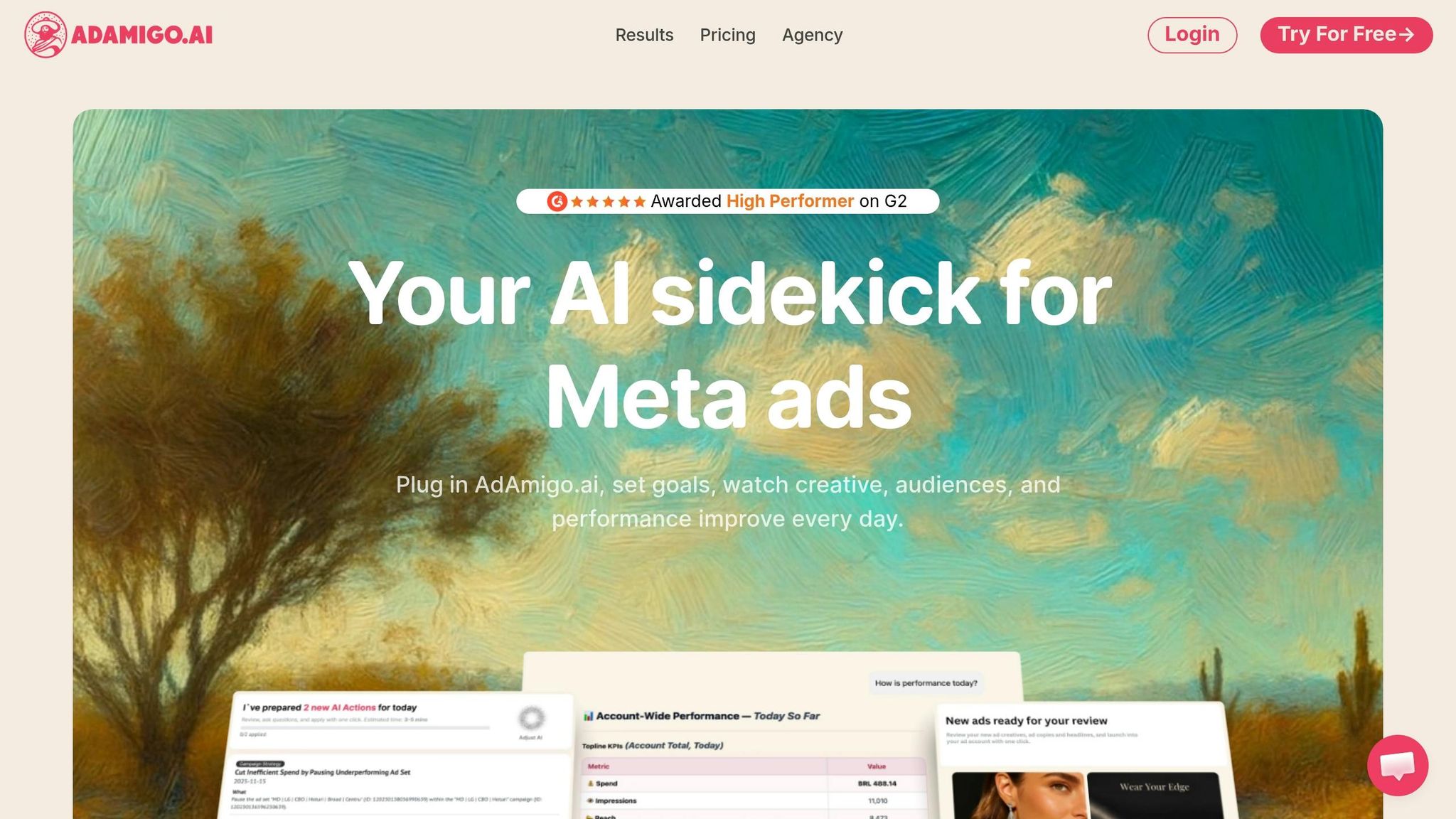
Automation tools like AdAmigo.ai take the guesswork out of GDPR compliance. Built on Meta’s official API, AdAmigo.ai synchronizes data server-side and automates compliance checks by integrating with CMPs. It operates within Meta’s permissions, rate limits, and platform guidelines from the beginning.
The platform dynamically adjusts ad targeting based on real-time user consent statuses, ensuring campaigns respect opt-outs immediately. Beyond compliance, it optimizes campaign performance while adhering to GDPR rules.
AdAmigo.ai also automates data retention policies, deleting personal information as soon as it’s no longer needed for advertising purposes. This aligns with GDPR’s principle of data minimization, eliminating the need for manual quarterly audits.
Additionally, the platform monitors ad creatives, copy, and targeting in real time to prevent policy violations. For instance, starting in March 2026, Meta will require a visible "AI-generated" label on all ad creatives produced or modified by AI. AdAmigo.ai automatically applies these labels, keeping you ahead of platform requirements.
Compliance Process | Manual Approach | AdAmigo.ai Automation |
|---|---|---|
Consent Tracking | Spreadsheet logs; error-prone | Real-time automated monitoring |
Creative Review | Hours spent on manual audits | Instant AI-powered compliance scanning |
Data Minimization | Quarterly manual reviews | Continuous AI-driven optimization |
Regulatory Updates | Manual policy tracking | Automated alerts and adjustments |
Record Keeping | Manual filing | Centralized automated logs |
AdAmigo.ai also maintains centralized compliance logs that document consent and data processing activities. These logs are invaluable during regulatory audits, saving you the hassle of piecing together your data handling practices months later. By integrating seamlessly with Meta, AdAmigo.ai strengthens the compliance framework you’ve already built.
Conclusion
This checklist lays out a straightforward approach to achieving GDPR compliance in Meta advertising. By focusing on three key areas - obtaining proper consent, limiting personal data collection, and using automated tools for ongoing compliance - you can navigate GDPR requirements effectively.
Start by auditing your data sources and declaring data origins in Meta Events Manager. As of 2026, Meta mandates that advertisers specify how data was collected and the legal basis for processing it. Make sure to update your privacy policy every year to reflect changes in operations, including the use of AI and international data transfers. Ignoring these steps can lead to serious financial and reputational consequences.
Consent management platforms integrated with Meta's Conversions API simplify compliance by automating consent tracking. These tools ensure that tracking only activates after users give explicit permission. For example, platforms like AdAmigo.ai handle tasks like monitoring consent in real time, scanning ads for policy violations, and applying required labels - such as Meta's mandatory "AI-generated" disclosure introduced in March 2026. Additionally, centralized compliance logs generated by these tools can be invaluable during regulatory audits.
Compliance doesn’t mean sacrificing ad performance. Companies using GDPR-compliant marketing technologies report 70% satisfaction, and Meta’s Advantage+ predictive audiences now deliver 15-20% lower cost per acquisition compared to older lookalike audience models. Automating compliance checks lets you concentrate on creative quality instead of manual targeting, reducing risks while potentially boosting results.
FAQs
Do I need opt-in consent for Meta Pixel and CAPI in the EU/UK?
Under GDPR regulations in the EU and UK, explicit, opt-in consent is required before using tools like Meta Pixel and CAPI. To stay compliant, it's essential to manage user permissions using GDPR-compliant tools, such as Consent Management Platforms (CMPs). These platforms ensure that your data collection and processing practices align with legal standards.
What do Meta’s 2026 rules change for Custom Audiences and retargeting?
Meta's 2026 policy updates bring some big shifts to how advertisers can use Custom Audiences and retargeting. Here's what you need to know:
No More Lookalike Audiences: One of the most notable changes is the removal of lookalike audiences, which have been a popular tool for expanding reach by targeting users similar to existing customers.
Mandatory Data Source Declaration: Advertisers will now be required to explicitly declare the sources of their data. This step is aimed at increasing transparency and ensuring compliance with privacy regulations.
Stricter Privacy and Targeting Rules: Expect tighter restrictions on how data can be used for targeting, aligning with growing concerns about user privacy.
AI Chat Data for Ad Targeting: Meta plans to incorporate AI chat data into its ad targeting capabilities. This could open new opportunities for personalization but also raises questions about data usage.
Shorter Attribution Windows: The attribution window will be reduced to just one day. This change means advertisers will need to adapt their strategies to measure performance within a much shorter timeframe.
These updates reflect Meta's ongoing efforts to balance effective advertising with stronger privacy protections, but they also demand that advertisers rethink their strategies to stay ahead.
How can I prove consent and stay audit-ready without manual spreadsheets?
To stay prepared for audits and demonstrate consent without relying on manual spreadsheets, consider using automated compliance tools. These tools simplify consent management and record-keeping. For example, platforms like AdAmigo.ai can help you track consent, ensure clean data management, and organize audit schedules efficiently - reducing errors and saving valuable time.
Moreover, centralized systems, as outlined in GDPR compliance checklists, can document key details such as permissions, processing purposes, and data sources. These systems can also generate audit-ready reports automatically, making compliance much easier to manage.